

Table of Contents
- Introduction to Paint Color Selection
- Understanding Color Psychology
- Considering Your Home’s Architecture
- Harmonizing With Furniture and Decor
- Using Color Sample Testing
- Lighting Effects on Paint Colors
- Popular Paint Brand Recommendations
- Conclusion
Introduction to Paint Color Selection
Choosing the perfect paint colors for your home can seem overwhelming, but with some guidance, it becomes an exciting opportunity to transform your space. Whether repainting a single room or giving your home a fresh look, the right color can make all the difference. It sets the tone, creates an ambiance, and showcases your style. For more painting tips, check out this resource. To start, you must consider several factors, such as color psychology, architectural style, and existing decor. You can create a cohesive and visually pleasing environment by carefully selecting colors. Understanding these factors ensures that your chosen paint colors enhance each room’s aesthetic appeal and functionality. Let’s dive deeper into how to choose the perfect paint colors for your home.
Understanding Color Psychology
An important factor in determining how a space feels and works is color psychology. Your energy and mood might change when exposed to different hues. For example, warm colors like orange, yellow, and red can evoke a vibrant and energizing mood. Red is a great color choice for dining rooms and other spaces where you host visitors since it is frequently connected to passion and energy. Yellow is a happy and cozy color that works well in living rooms and kitchens. Orange adds brightness to areas like home offices and workout rooms by fusing the reviving properties of red and yellow.
Conversely, cold hues like purple, green, and blue are said to be tranquil. Blue is perfect for bedrooms and bathrooms, promoting relaxation and tranquility. Green, reminiscent of nature, works well in living rooms and home offices, fostering balance and renewal. Purple, particularly in its softer tones, adds a touch of luxury and serenity to spaces like bedrooms and meditation rooms. Verywell Mind provides an in-depth look at how color impacts our emotions and behaviors.
Considering Your Home’s Architecture
The architectural style of your home should also influence your paint choices. Traditional homes often benefit from classic, muted tones like beige, cream, and soft grays. These colors complement traditional architecture’s elegant and timeless design elements, such as crown moldings, wainscoting, and hardwood floors. These subtle hues allow the intricate details of traditional design to stand out without overpowering the space. In contrast, modern and contemporary homes may shine with bold, vibrant colors like teal, navy, or black. These striking colors can enhance contemporary architecture’s clean lines and minimalistic nature, creating focal points that add character and depth. The choice of paint should harmonize with architectural features like large windows, open floor plans, and sleek finishes.
Harmonizing With Furniture and Decor
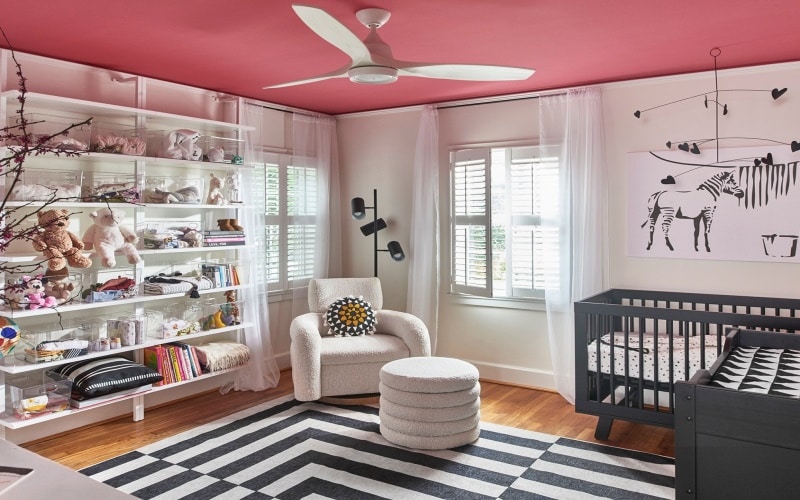
Your paint colors should complement your existing furniture and decor. Think about the colors of your furnishings, artwork, and floor materials. The goal is to create a cohesive look throughout your home. For example, if you have a lot of colorful artwork, you might choose neutral wall colors to let the art stand out. Neutral colors like white, gray, and beige can provide a serene backdrop that emphasizes the beauty of your art pieces. Conversely, if your furniture and decor are primarily neutral, consider adding a pop of color to your walls to make the space more lively. Bold colors like red, blue, or green can inject personality and energy into a neutral setting, making the room more dynamic and visually attractive.
Using Color Sample Testing
Before committing to a color, testing its samples on your walls is wise. Paint small sections of your walls and observe how each shade looks in different lighting conditions throughout the day. This practice can help you avoid costly mistakes. Take note of how the color changes from morning to evening and under artificial lighting. Morning sunlight might make a color appear brighter and more vibrant, while evening light could give it a warmer, cozier hue. Artificial lighting, such as incandescent bulbs, LEDs, and fluorescent lamps, also affects the appearance of paint colors. This thorough approach ensures you select a color consistent with your expectations.
Lighting Effects on Paint Colors
Lighting significantly impacts how paint colors appear. Natural light, incandescent bulbs, and LEDs each have distinct effects. For example, natural light brings out the actual paint’s true color, whereas incandescent lighting can warm up hues. This type of lighting often adds a yellowish tone, making warm colors look richer and cool colors appear softer. Conversely, fluorescent lighting makes colors appear more relaxed with a bluish tint. This is particularly important for spaces like kitchens and work areas where accurate color representation is crucial. LEDs are versatile and can mimic various lighting conditions, offering more control over the ambiance. The Spruce provides excellent insights into how different types of lighting affect paint colors.
Popular Paint Brand Recommendations
Several paint brands are renowned for their quality and color range. Consider exploring options from brands like Sherwin-Williams, Benjamin Moore, and Behr for excellent results. Sherwin-Williams is celebrated for its innovative paint technologies and wide array of colors, making it a favorite among homeowners and professionals. Benjamin Moore offers exceptional color accuracy and durability, ensuring long-lasting beauty. Behr, known for its affordability and high-quality finishes, provides excellent coverage and ease of application. To suit your demands, these brands provide a range of colors, finishes, and specialized paints. While glossy coatings are easy to clean and provide a sense of elegance, matte finishes are ideal for masking flaws. The balance between the two is achieved by satin and eggshell finishes, which provide durability with a light gloss. If you need clarification about your options, consult a professional painter; they can offer insightful advice based on your unique needs.
Conclusion
Choosing the right paint colors is critical in making your home welcoming and aesthetically pleasing. By understanding color psychology, considering your home’s architecture, harmonizing with your decor, and testing samples in different lighting, you can confidently pick the perfect shades for your living spaces. Remember, the goal is to create a space that reflects your personality and makes you feel comfortable and happy. A well-thought-out color scheme can transform your home, enhancing its beauty and functionality for years.
