

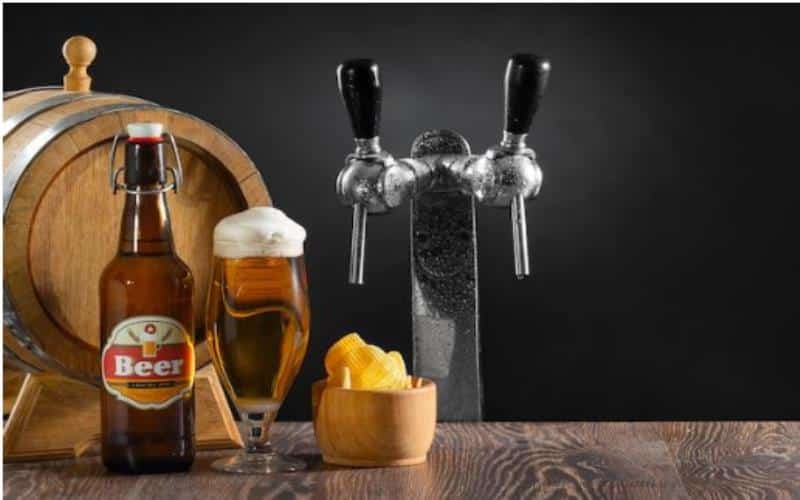
A long time ago, the beer landscape was known as monotonous sea of uninspiring and less tasteful brews. But then it was hit with the revolution of craft beers, transforming the landscape of beer by bringing passion, flavor, and innovation into the brewing art.
Craft beer always has something to offer you. Whether you are a seasoned aficionado or a curious newcomer, there is a wide range of craft beers to explore. From hoppy beer to imperial stout, there is a fascinating world of craft beer that you can explore.
But before that, let’s look at the journey of craft beers from tradition to innovation around the world:
-
The Rise of Craft Beer
The roots of craft beers can be traced back to many centuries ago, to a time when brewing was known as a cottage industry and carried out by farmers, monks, and households around Europe. There was nothing inspiring about brewing back then. However, in the late 20th century, the craft beer movement began to take shape. It is known as Craft Beer’s Resurgence.
In the United States, there are a long list of pioneers such as Fritz Maytag, Jim Koch, and some others who set the foundation for craft beer and transformed it for the new generation of brewers looking for innovation, taste, and quality.
Now, craft beer has become a global phenomenon that offers a variety of tastes, styles, and flavors to brewers.
-
Brewing Craft Beer (How Tradition Meets Innovation)
The process of brewing craft beer is rooted in tradition with the use of high-quality ingredients. Along with this, there is an emphasis on creativity, experimentation, and craftsmanship. To learn more about the crafting process of beer, here is an overview of the process:
1. Mashing
The traditional method of brewing begins with mashing. For this process, malted barley is mixed with hot water to convert starches into sugars. This results in the production of a sweet liquid known as wort.
2. Boiling
The next step is boiling the wort to add bitterness, flavor, and aroma to it. During the boiling process, hops are used to add character to the beer.
3. Fermenting
Once the wort is boiled, it is set aside to cool and transferred to vessels for fermentation. Here, some yeast is added to initiate the fermentation process. This results in the production of alcohol and carbonation.
4. Conditioning
After fermentation is complete, the beer is left for conditioning so the flavors canget rich and mellow.
5. Packaging
Finally, when the flavors are mature, the beer is packaged into the bottles, becoming a highlight drink on the table.
-
A Culture of Collaboration and Camaraderie
The real sense of the craft beer movement is serving community and camaraderie. Craft Brewers often collaborate with one another to bring unique flavors and innovation to the beers. Beer festivals allow you to share your passion for craft beers and explore their uniqueness while connecting with other people.
