

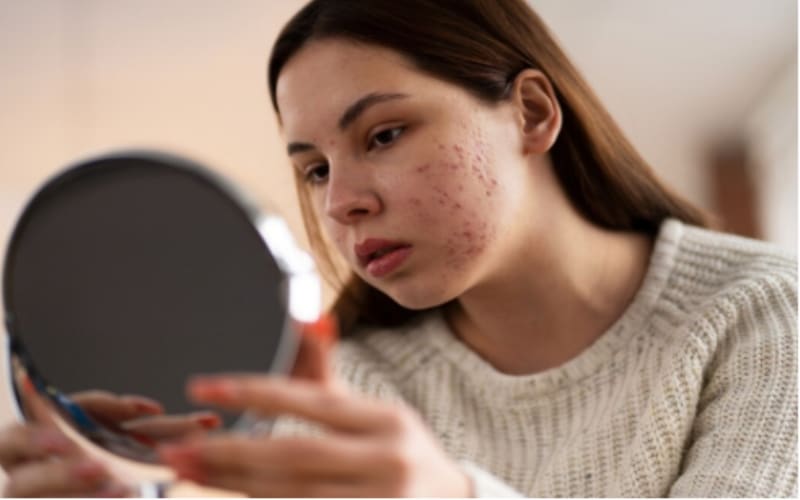
Folliculitis is a skin condition characterised by inflamed hair follicles, often caused by bacterial, fungal, or viral infections. Effective treatment is crucial for managing symptoms and preventing recurrence. If you’re in Mumbai and looking for options, there’s a good variety of resources available for “folliculitis treatment in Mumbai“. This guide will further help you select the best treatment based on your skin type and specific needs.
Understanding Folliculitis
Folliculitis presents as small, red bumps or white-headed pimples around hair follicles. It can occur anywhere on the body where hair grows, including the scalp, face, arms, and legs. Mild cases may resolve on their own, but severe or recurring folliculitis requires targeted treatment to alleviate discomfort and prevent complications. Left untreated, folliculitis can lead to scarring and permanent hair loss in some cases. Additionally, chronic outbreaks can be a sign of an underlying health condition, so consulting a doctor for persistent folliculitis is recommended. Early diagnosis and treatment can help prevent these complications and ensure a speedy recovery. Additionally, practising good hygiene habits can help minimise the risk of developing folliculitis in the first place.
Identifying Your Skin Type
Understanding your skin type is essential for choosing appropriate folliculitis treatments. Skin types include:
Oily Skin
This type is characterised by excess sebum production, resulting in a shiny appearance and susceptibility to acne breakouts.
Dry Skin
Often feels tight, rough, and may have visible flaking or peeling due to inadequate moisture retention.
Combination Skin
Features both oily and dry areas. The T-zone (forehead, nose, and chin) tends to be oily, while cheeks may be dry or normal.
Sensitive Skin
Prone to irritation, redness, and allergic reactions, making it important to choose gentle, hypoallergenic products.
Treatments for Folliculitis by Skin Type

Oily Skin
Oily skin requires treatments that reduce excess oil without causing dryness or irritation:
Topical Antibiotics
Products containing clindamycin or erythromycin help combat bacterial infections responsible for folliculitis.
Salicylic Acid
A beta hydroxy acid that exfoliates the skin, unclogs pores, and reduces inflammation associated with folliculitis.
Benzoyl Peroxide
Effective against acne-causing bacteria, benzoyl peroxide also helps remove excess oil from the skin’s surface.
Dry Skin
Effective treatments for dry skin focus on hydrating and soothing irritated follicles:
Moisturising Creams
Opt for fragrance-free, hypoallergenic moisturisers that provide long-lasting hydration without clogging pores.
Hydrocortisone Cream
Reduces inflammation and itching associated with folliculitis, providing relief without exacerbating dryness.
Antifungal Treatments
In cases where fungal infection contributes to folliculitis, over-the-counter antifungal creams can be effective.
Combination Skin
Balancing oily and dry areas of combination skin is key to managing folliculitis:
Gentle Cleansers
Use mild, non-comedogenic cleansers to cleanse without stripping natural oils from the skin.
Targeted Treatments
Apply benzoyl peroxide to oily areas and moisturising products to dry areas to effectively manage folliculitis symptoms.
Exfoliation
Regular but gentle exfoliation helps prevent clogged pores without exacerbating dryness or irritation.
Sensitive Skin
Sensitive skin requires extra care to minimise irritation and allergic reactions:
Hypoallergenic Products
Choose gentle, fragrance-free products formulated specifically for sensitive skin to reduce the risk of irritation.
Natural Remedies
Aloe vera gel and tea tree oil have soothing properties that can alleviate symptoms of folliculitis without harsh chemicals.
Patch Testing
Before applying new products to larger areas, perform a patch test on a small skin patch to check for potential allergic reactions.
General Tips for Managing Folliculitis
Effective management of folliculitis includes:
Maintain Good Hygiene
Regularly cleanse affected areas with a mild soap and water to prevent bacterial buildup and infection.
Avoid Tight Clothing
Loose-fitting clothing reduces friction on hair follicles, minimising irritation and preventing further inflammation.
Avoid Sharing Personal Items
Towels, razors, and clothing can spread infection. Use your own clean items to minimise the risk of folliculitis transmission.
Use Clean Razors
Regularly replace razors and shave in the direction of hair growth to reduce irritation and prevent folliculitis flare-ups.
When to See a Doctor

If folliculitis symptoms persist or worsen despite home treatments, consult a dermatologist. They can prescribe stronger medications or recommend alternative treatments tailored to your specific condition. Early diagnosis and treatment from a dermatologist can also help prevent scarring and future outbreaks. Additionally, a dermatologist can identify any underlying conditions that might be contributing to your folliculitis.
Conclusion
Choosing the right folliculitis treatment involves understanding your skin type and the underlying cause of your condition. By selecting appropriate products and following skin care guidelines, you can effectively manage folliculitis and maintain healthy skin. However, persistently severe cases or folliculitis that doesn’t respond to home care may require a doctor’s diagnosis to determine the best course of treatment. For personalised advice and treatment options, consult a healthcare professional or dermatologist. In some cases, they might recommend procedures like dermaroller treatment in Mumbai to help manage scarring caused by folliculitis.
