

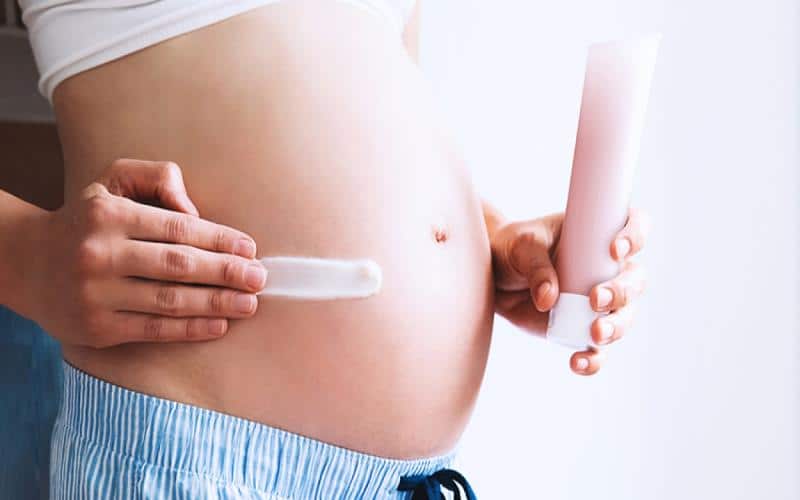
Scars, while they tell stories of a body’s healing journey, often carry unwanted reminders of past injuries or surgeries. Fortunately, advancements in scar management have provided various solutions, with silicone gel standing out as a versatile and effective option. From reducing scar appearance to softening texture and improving colour, silicone gel offers a multifaceted approach to scar reduction that caters to a wide range of needs.
Benefits of Silicone Gels
Reducing Scar Appearance
Silicone gel has garnered attention for scar treatment as it has a remarkable ability to minimise the visibility of scars. Its application forms a protective barrier over the scar, which helps to lock in moisture, regulate collagen production, and promote a more normalised healing process. As a result, scars become less conspicuous over time, blending more seamlessly with the surrounding skin.
Flattening Raised Scars
One of the most challenging aspects of scar management is dealing with raised or hypertrophic scars. Silicone gel provides a non-invasive solution by exerting gentle pressure on the scar tissue, effectively flattening it over time. This process helps to alleviate discomfort associated with raised scars and restores a smoother skin surface.
Softening Scar Texture
The texture of a scar can often feel different from the surrounding skin, causing discomfort or self-consciousness. Silicone gel works by hydrating the scar tissue and softening its texture, leading to a smoother and more natural feel over time. This improvement not only enhances physical comfort but also boosts confidence and self-esteem.
Improving Scar Color
Scars can vary in colour, ranging from red or pink to brown or white, depending on factors such as skin type and the severity of the injury. Silicone gel aids in regulating pigmentation by creating an optimal environment for melanocyte activity, which helps to fade discolouration and promote uniformity in skin tone. As a result, scars become less noticeable and blend harmoniously with the surrounding skin.
Applications
For New and Old Scars
Whether you’re dealing with a fresh wound or an old scar, silicone gel can be applied to aid in the healing process. For new scars, early intervention with silicone gel helps to promote proper wound healing and minimise scar formation. For older scars, consistent application can still yield significant improvements in texture, colour, and overall appearance.
Treating Hypertrophic and Keloid Scars
Hypertrophic and keloid scars pose unique challenges due to their raised and often disfiguring nature. Silicone gel offers a non-invasive approach to managing these types of scars by exerting continuous pressure and regulating collagen production. Over time, the scars become flatter, softer, and less prominent, restoring a more natural appearance to the skin.
Scars from Surgery, Burns, and Acne
Silicone gel is highly versatile and can be used to address scars resulting from various sources, including surgical procedures, burns, and acne. Its effectiveness in promoting collagen remodelling and reducing inflammation makes it an invaluable tool in scar management across different etiologies.
C-Section Scar Reduction
For many women, the C-section scar serves as a lasting reminder of childbirth. Silicone gel provides a safe and effective method for minimising the appearance of C-section scars, allowing mothers to feel more confident and comfortable in their skin postpartum.
How It Works
Hydration and Moisture Retention
Silicone gel creates an occlusive barrier over the scar, locking in moisture and creating an optimal environment for healing. This hydration promotes collagen synthesis and prevents excessive collagen production, leading to smoother and more pliable scar tissue.
Pressure Management on Scar Tissue
By exerting gentle pressure on the scar tissue, silicone gel helps to flatten raised scars and normalise their appearance. This pressure also improves blood circulation to the area, ensuring the delivery of essential nutrients and promoting faster healing.
Management of Scar Formation
Silicone gel modulates the activity of fibroblasts, the cells responsible for collagen production, to prevent abnormal scar formation. By regulating collagen synthesis, it helps to ensure that scars heal more discreetly and blend better with the surrounding skin.
Considerations
Application Tips and Techniques
Proper application of silicone gel is crucial for optimal results. It’s recommended to clean the scar area thoroughly before applying a thin layer of gel, allowing it to dry completely before covering with clothing or sunscreen.
Combining Silicone Gel with Other Therapies
Silicone Sheets vs. Silicone Gel
While silicone gel offers convenience and ease of application, silicone sheets provide a similar mechanism of action and are preferred by some individuals for certain types of scars or larger treatment areas.
Silicone gel stands as a versatile and effective solution for scar treatment, offering multiple benefits across different types of scars and skin conditions. By understanding its mechanisms of action and proper application techniques, individuals can harness the power of silicone gel to achieve smoother, more radiant skin and embrace their healing journey with confidence and optimism.
