

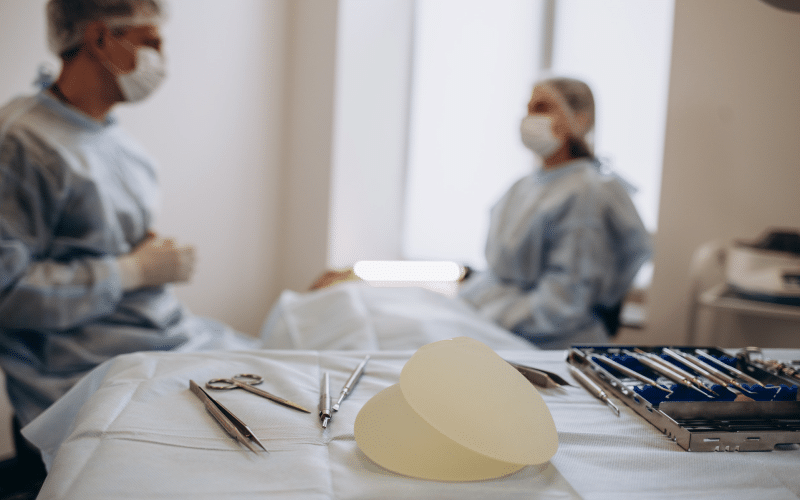
Introduction: Breast augmentation through implants has become a prevalent cosmetic procedure, offering individuals the opportunity to enhance their physical appearance and boost self-confidence. However, one of the crucial considerations for anyone contemplating breast augmentation is the lifespan of the implants. Understanding how long breast implants last is essential for informed decision-making and long-term satisfaction with the results (see pics).
Factors Influencing the Longevity of Breast Implants:
- Implant Material: Breast implants are typically made of silicone gel or saline solution encased in a silicone shell. The material used can significantly impact the longevity of the implants. Silicone implants are known for their durability and are less prone to rupture compared to saline implants.
- Quality of Implants: The quality of breast implants varies depending on the manufacturer and the specific product. Higher-quality implants tend to have a longer lifespan due to superior construction and materials.
- Surgical Technique: The skill and experience of the surgeon performing the breast augmentation surgery play a crucial role in the longevity of the implants. Proper surgical technique, including precise placement and adequate incision closure, can minimize the risk of complications that may shorten the lifespan of the implants.
- Lifestyle and Body Changes: Lifestyle factors such as weight fluctuations, pregnancy, and breastfeeding can affect the appearance and integrity of breast implants over time. Significant changes in body weight or hormonal fluctuations may cause the breasts to stretch or sag, impacting the implants’ longevity.
- Aging and Natural Degradation: Like any medical device, breast implants undergo natural wear and tear over time. The silicone shell may gradually weaken, increasing the risk of rupture or leakage. While modern implants are designed to be long-lasting, they are not considered permanent and may require replacement eventually.

Average Lifespan of Breast Implants: Determining the exact lifespan of breast implants can be challenging, as it varies depending on several factors. However, studies and clinical experience provide some insight into the average longevity of implants:
- Silicone Implants: Silicone implants are known for their durability and longevity. Many manufacturers offer warranties for silicone implants that extend up to ten years or more. However, research suggests that silicone implants can last much longer, with a significant proportion retaining their integrity for 15-20 years or more.
- Saline Implants: Saline implants are generally considered to have a shorter lifespan compared to silicone implants. While they are less prone to silent rupture, saline implants may deflate over time due to valve failure or shell leakage. On average, saline implants may last anywhere from 10 to 15 years before requiring replacement.
Signs That Breast Implants Need Replacement: While breast implants do not have an expiration date, there are several signs that may indicate the need for replacement:
- Changes in Breast Appearance: Noticeable changes in the size, shape, or symmetry of the breasts may indicate implant rupture or leakage. This may include deflation of saline implants or changes in the texture or contour of silicone implants.
- Capsular Contracture: Capsular contracture occurs when scar tissue around the implant hardens and tightens, causing discomfort or distortion of the breast shape. Severe capsular contracture may necessitate implant removal and replacement.
- Implant Rupture: Rupture of the implant shell can occur due to trauma, aging, or manufacturing defects. While silicone implant ruptures are often silent and may only be detected through imaging tests, saline implant ruptures typically result in noticeable deflation.
Breast implants are designed to be long-lasting, but they are not permanent devices. The lifespan of breast implants depends on various factors, including the implant material, surgical technique, lifestyle factors, and natural degradation over time. While modern implants are more durable than ever, individuals considering breast augmentation should be aware of the potential need for future implant replacement and discuss these factors with their plastic surgeon. Regular follow-up appointments and imaging studies can help monitor the integrity of breast implants and ensure continued satisfaction with the results of breast augmentation surgery.
