

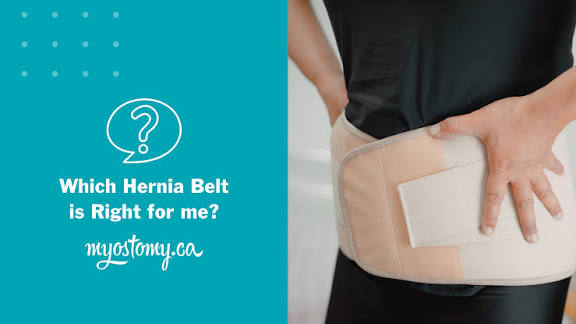
Just laughing and sitting up alone can produce a sharp painful yank down the middle of the core after surgery. Often something as easy as this can be seen as a monumental effort when the body is trying to recover, but the core alone is not powerful enough to undertake the task.
After any surgery, the weak abdominal muscles force people to search for the perfect external support. That’s where an abdominal belt comes in. By providing gentle compression and steady support, it helps to protect the fresh incisions. It gives the confidence to move and eases the discomfort.
In this guide, we’ll learn how an abdominal belt supports post surgical recovery, who can benefit from it and how to use one safely.
Let’s dive in!
Why Do The Abdomen Need Extra Support?
-
Absence of Skeletal Protection
There are no bones across the front area of the stomach which can absorb physical shocks or bear heavy loads.
-
Constant gravitational pull
The internal organs get pushed outward against the abdominal wall, which requires continuous engagement of the core muscles.
-
Disruption from Surgery
Major surgeries like C-sections or hernia repairs require surgeries to cut through the layers of muscles.
-
Compromised tension
The natural tension that keeps the tissue layers together is weak or slight movements pull on the newly cut tissue edges with pain.
-
Loss of Intra-Abdominal Pressure
The abdominal muscles work together with the diaphragm and lower back to produce an internal pressurized air that stabilizes the spine.
-
Structural collapse
When abdominal muscles weaken or get stretched too far in cases of late pregnancy or after rapid weight loss, this pressure drops or forces your lower back to overcompensate which can lead to severe fatigue and pain.
-
Prevention of Hernias
Without a strong muscular pressure, the internal tissues push through tears or weakened areas in the abdominal wall, resulting in an incisional or primary hernia. External support tools act as a temporary barrier to provide protection.
How An Abdominal Belt Helps Post-Surgery?
-
Immediate Post-Operative Phase (Days 1 to 3)
-
Overcoming Bedrest Inertia
The tight wrap provides a physical reassurance and diminished nauseating tear when you are first helped to sit up by the nurses.
-
Deactivation of the Valsalva Maneuver
Simple reflex actions such as coughing or vomiting can generate huge changes in the abdominal pressure. This generates a rapid outward pull so there is no shock loading on the new skin layer sutures.
-
Early Inflammatory Phase (Days 4 to 10)
-
Treating Post-Op Edema
The pressure counteracts the post operative build up of inflammatory oedema and exudates in the region of the incision line and assists the approximation of the edges of the wound to produce a neater scar.
-
Remove Dead Space
As a surgeon dissects through several tissue planes, there are small spaces left underneath the skin. Continuous, circumferential pressure causes these spaces to collapse so they are unable to be filled with serum or blood.
3. Intermediate Remodeling Phase (Weeks 2 to 6)
-
Pacing Muscle Re-engagement
As you make your way through this window, the belt becomes almost like a live feedback system. There is enough support to enable you to walk for longer outdoors, while also letting the velcro loosen gradually and your core muscles take more of the strain.
-
Directing Collagen Orientation
Since the body uses the collagen fibers to permanently heal the wound, the belt acts to reduce gravity on the two sides of the incision pulling it apart, which would create a hypertrophic scar.
Types Of Surgeries Where Abdominal Belts Are Commonly Used
- Cesarean Section
- Hysterectomy
- Myomectomy
- Exploratory Laparotomy
- Hernia Repair
- Cholecystectomy
- Gastric Bypass
- Abdominoplasty
- Panniculectomy
- Liposuction
What To Look For In A Post Surgical Abdominal Belt?
1. Multi-Panel Stitched Construction
Keep away from supports that are constructed of a one piece unbroken sheet of stiff plastic fabric. Single panel supported supports will bunch up and fold over the ribs during sitting.
Choose various paneled stitched designs. The horizontal stitched design enables the belt to get fully stretched and fit tightly around the waist, maintaining contact to the wound.
2. Segmented Adjustable Closures
Getting a wide, stiff strip of velcro to stick over an inflamed, new incision can be excruciatingly difficult right after the operation. Pulling one big flap can be hard on your core and cause pain and even stretch your stitches.
Search for binders with separated, smaller fastening panels or a hook-and-loop closure with integrated hand loops. These types of straps allow you to loosen and tighten your compression stepwise with less physical strain.
3. Medical Grade Material Composition
The material needs to avoid skin irritation by friction and sweat or surgical fluids. Rough thick materials can scratch the fragile skin and retain heat that could further lead to breakdown or infection of the surgical incision.
Choose a latex-free, microfiber or elasticized cotton blend. The fabric on the side of the lining next to your body needs to be relatively soft, with the weave flexible and breathable.
4. Integrated Drainage Tube Fasteners
There are many major open abdominal procedures that utilize surgical bulb drains for post-operative collection of fluid. The hanging drain tubes pull painfully at the insertion site, aggravating pain and causing the tubes to become loose.
In the event of a large laparotomy or other huge incision, see if you can find binders made for large surgeries that come with safety Velcro tabs or loops sewn in to secure your drainage tubes.
How To Wear an Abdominal Belt After Surgery?
- Lie flat on your back on any firm base surface.
- Ensure your belt is worn over a clean, thin, cotton undershirt to stop the skin irritation and the dressings on your wound.
- Completely unfasten your binder and lay it out open and flat beneath your lower back, with the lining facing towards your body and the external sections (that have Velcro on) facing away from your body.
- Find the correct thickness of the belt so that your surgical cut or dressing is located in the center.
- The top edge should sit just below your ribs and the bottom edge should go down over the top of your hips.
- Tighten the flaps by pulling one belt on each side over your stomach. For a multi-part strap or flaps, secure the bottom strap or flap first. Do the same with the middle and top portions.
- Squeeze the velcro down along its full length.
- Take a deep breath and cough softly to test the seal.
Wrapping Up
After surgeries, even small comforts can make a big difference in day to day activities. An abdominal belt offers gentle compression to ease stiffness in the area. It can further protect the surgical area and help you move with confidence during early stages of recovery. The key is to choose the right fit and wear it routinely with professional guidance. It can gradually let you re-gain the overall strength of your core.
