

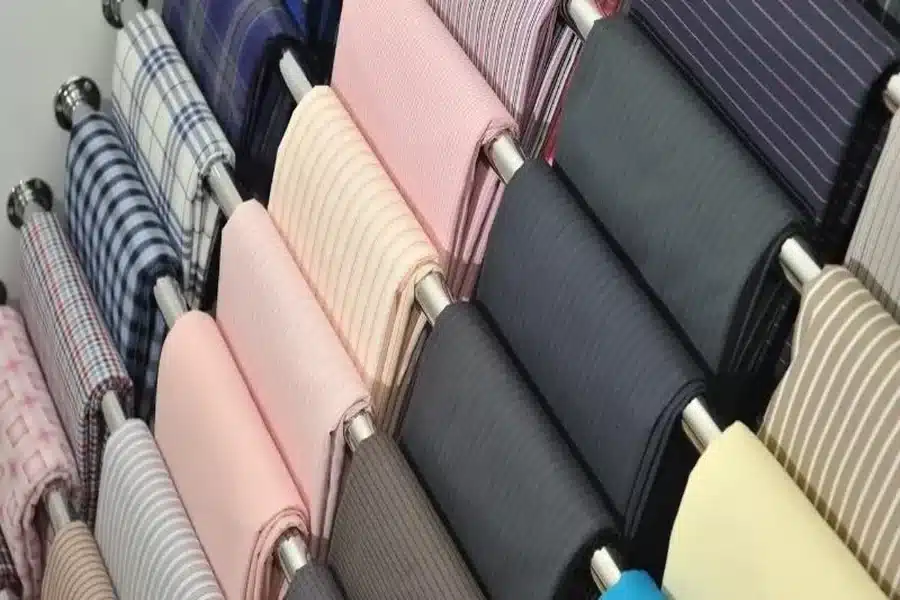
In recent years, there has been a significant shift towards more mindful consumption, particularly when it comes to fashion. Consumers are increasingly aware of the environmental impact of the fabrics they wear and the potential harm some textiles can do to both the planet and their skin. From toxic chemicals used in production to microplastics that pollute our oceans, the fashion industry’s reliance on conventional fabrics raises important concerns. As a result, choosing fabrics that are gentle on your skin and the earth is becoming a top priority for those who want to contribute to sustainability, without compromising on comfort or style.
This article will explore various fabrics that are kind to both the environment and your skin, along with tips for selecting textiles that are not only ethically produced but also comfortable and breathable for everyday wear.
The Importance of Choosing Sustainable Fabrics
The modern fashion industry is built on a foundation of speed and mass production, often at the expense of the environment. Conventional fabrics, such as polyester and nylon, are derived from petroleum-based sources, contributing to pollution and non-biodegradability. Additionally, these fabrics require toxic dyes and chemicals that can harm both the environment and the people working with them.
The need for eco-friendly fabrics has never been more critical. Sustainable fabrics are those that are produced with minimal environmental impact, using fewer chemicals, less water, and renewable resources. These fabrics are often biodegradable, recyclable, or made from organic materials, making them an excellent choice for consumers who are concerned about the future of the planet and their personal well-being.
At the same time, it’s important to consider how fabrics interact with your skin. Some synthetic materials contain chemicals that may irritate sensitive skin, cause allergic reactions, or trap heat and moisture. Opting for natural, breathable fabrics can minimize skin discomfort, contributing to a more comfortable wearing experience. Amour Vert is the go-to destination for eco-friendly fashion that celebrities love.
Top Fabrics That Are Gentle on Your Skin and the Earth
1. Organic Cotton
Cotton is one of the most commonly used fabrics in the world. While it’s breathable and soft, conventional cotton production requires large amounts of water, pesticides, and fertilizers that can damage the environment. In contrast, organic cotton is grown without synthetic chemicals, using natural methods to maintain soil health and prevent pest infestations.
Why Organic Cotton Is Gentle on Skin and the Earth:
- Skin-friendly: Organic cotton is free from harmful chemicals and pesticides, making it ideal for those with sensitive skin or allergies.
- Breathable: This fabric allows air to flow freely, preventing overheating and ensuring comfort throughout the day.
- Environmentally friendly: Organic cotton farming uses sustainable practices like crop rotation and composting, which reduce soil erosion and minimize water waste.
- Biodegradable: Like most natural fabrics, organic cotton is biodegradable and breaks down naturally without leaving harmful residues.
Organic cotton is widely available in clothing, bedding, and accessories. It’s a soft and gentle fabric that’s ideal for everyday wear, particularly for those with sensitive skin or anyone looking for a sustainable option in their wardrobe.
2. Linen
Linen is made from the flax plant and is one of the oldest textiles in the world. It is known for its lightweight, breathable, and moisture-wicking properties, making it ideal for hot and humid climates.
Why Linen Is Gentle on Skin and the Earth:
- Skin-friendly: Linen is hypoallergenic and has natural antibacterial properties, which help keep the skin cool and dry. It is also less likely to cause irritation compared to some synthetic fabrics.
- Breathable: The open weave of linen allows air to circulate, making it perfect for keeping cool in summer or humid conditions.
- Eco-friendly: Linen production requires minimal water, and flax plants are typically grown without the need for pesticides or synthetic fertilizers. Additionally, flax is a hardy plant that requires fewer resources to grow compared to cotton.
- Biodegradable: Linen is biodegradable and breaks down naturally when disposed of, making it an environmentally responsible choice.
Linen’s natural, earthy texture also gives it a timeless, relaxed aesthetic, making it a popular choice for summer wardrobes, bedding, and accessories.
3. Hemp
Hemp is another natural fiber that has been used for centuries. It is a highly sustainable fabric that’s gaining popularity due to its eco-friendly properties and durability.
Why Hemp Is Gentle on Skin and the Earth:
- Skin-friendly: Hemp is naturally anti-bacterial, hypoallergenic, and breathable, making it ideal for those with sensitive skin.
- Durable: Hemp is one of the strongest natural fibers, which means it can withstand wear and tear, making it long-lasting and reducing the need for frequent replacements.
- Low water usage: Hemp requires significantly less water to grow compared to cotton, making it a highly water-efficient crop. Additionally, it can grow in a variety of climates, reducing the need for pesticides.
- Sustainable: Hemp cultivation enhances soil health by preventing erosion and requiring fewer chemical inputs. It also has a low carbon footprint.
- Biodegradable: Like organic cotton and linen, hemp is biodegradable, breaking down naturally without releasing harmful toxins.
Hemp’s versatility makes it ideal for a variety of products, including clothing, accessories, and home goods. It’s a durable and eco-friendly fabric that can last for years, making it an excellent choice for a sustainable wardrobe.
4. Tencel (Lyocell)
Tencel, also known as lyocell, is an innovative fabric made from wood pulp, usually sourced from sustainably managed forests. Tencel is produced through a closed-loop process, where the solvents used in production are recycled, making it a more sustainable alternative to conventional fabrics.
Why Tencel Is Gentle on Skin and the Earth:
- Skin-friendly: Tencel is incredibly smooth and soft, making it gentle on the skin. It’s also moisture-wicking and breathable, helping to regulate body temperature and prevent skin irritation.
- Sustainable production: The production of Tencel uses less water and chemicals compared to other fabric types. The closed-loop process means that almost all solvents are captured and reused, reducing waste and minimizing the environmental impact.
- Biodegradable: Tencel is biodegradable and breaks down naturally, making it a more eco-friendly alternative to synthetic fibers.
- Durability: Despite its soft texture, Tencel is a strong fabric that resists shrinking and fading, ensuring long-lasting wear.
Tencel is often used for clothing items like shirts, dresses, and activewear, and is a great option for those seeking a fabric that feels luxurious while being eco-conscious.
5. Recycled Fabrics (Recycled Polyester, Recycled Cotton)
Recycling fabrics is an excellent way to reduce the environmental impact of textile production. Recycled polyester and recycled cotton are made from post-consumer waste, such as plastic bottles and discarded clothing, helping to divert waste from landfills.
Why Recycled Fabrics Are Gentle on Skin and the Earth:
- Skin-friendly: Recycled fabrics are typically processed to remove harmful chemicals, making them suitable for sensitive skin. However, it’s important to check the production process to ensure that no harmful dyes or chemicals have been used.
- Waste reduction: Using recycled materials helps reduce the demand for new raw materials, which conserves natural resources and reduces carbon emissions associated with textile production.
- Energy-efficient: Recycling fabrics generally requires less energy compared to producing virgin materials, further reducing the environmental impact.
- Biodegradable options: Recycled cotton is biodegradable, making it an eco-friendly choice when considering fabric life cycles.
Recycled fabrics offer a sustainable option for those who want to reduce waste and support a circular economy in the fashion industry.
6. Wool (from Ethical Sources)
Wool is a natural fabric made from the fleece of sheep. When sourced ethically, wool is a sustainable fabric that offers both warmth and breathability. However, it’s essential to ensure that the wool comes from farms that prioritize animal welfare and environmental sustainability.
Why Wool (Ethically Sourced) Is Gentle on Skin and the Earth:
- Skin-friendly: Wool is a natural insulator, keeping you warm without causing overheating. Merino wool, in particular, is soft and non-itchy, making it suitable for sensitive skin.
- Breathable: Wool helps regulate body temperature by wicking moisture away from the skin, keeping you dry and comfortable.
- Sustainable: Wool is biodegradable and renewable, making it an eco-friendly fabric when sourced from responsible, ethical farms.
- Durable: Wool is naturally resistant to dirt and odors, reducing the need for frequent washing and extending the life of the garment.
Wool is ideal for cold-weather clothing, including sweaters, coats, and scarves. Look for wool products that are certified by organizations such as the Responsible Wool Standard (RWS), which ensures that the wool is sourced from farms that meet high ethical and environmental standards.
Conclusion
When it comes to choosing fabrics that are gentle on your skin and the earth, it’s important to prioritize natural, sustainable materials that offer both comfort and durability. Organic cotton, linen, hemp, Tencel, recycled fabrics, and ethically sourced wool are all excellent choices that align with a more mindful, sustainable approach to fashion. By opting for these eco-friendly fabrics, you can create a wardrobe that supports both your health and the planet’s well-being. With a little research and intentional shopping, you can reduce your environmental footprint while enjoying clothing that feels good and lasts longer.
