

Introduction
Some normal types of acne scars include rolling scars, which occur due to severe acne and can result in an uneven and wavy texture on the skin. This blog will explore what rolling acne scars are, how to identify them, their causes, treatment options, associated costs, and prevention tips.
What Are Rolling Scars?
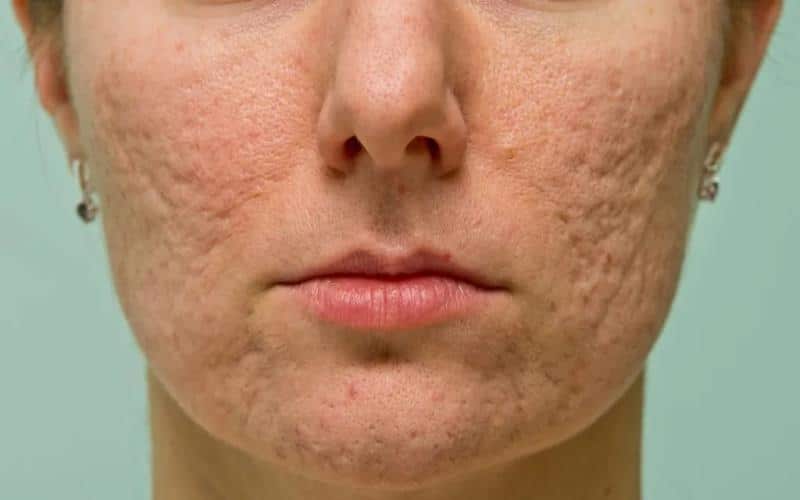
Acne scars can be atrophic, hypertrophic, or raised above the skin. Rolling scars are atrophic acne scars with slightly sloping and wave-like skin edges. They result from abnormal collagen fibre production in the skin’s healing process after an inflammatory acne lesion. They are found in areas of thick skin, and fibre production might be irregular during healing.
How To Identify Rolling Scars?
Rolling scars can be easily identified since they have a typical wavy pattern. Unlike other scars, rolling scars have a smooth, undulating texture. They cause a rolling or wave-like effect on the skin surface. They do not have well-defined edges and are usually wider than other acne scars.
Causes of Rolling Scars
The major cause of rolling scars is the failure to produce collagen when the body is trying to heal from severe acne. In addition, fibrotic bands form under the depressed scar in which the skin above connects to the subcutaneous tissue, muscle, or fascia below. Therefore, the skin gets tethered down, developing a rolling appearance.
How To Treat Rolling Scars?
The reality is rolling acne scars do not respond that well to either topical treatments or medications. Here are a few suitable rolling scar treatments that can help bring a smoother skin texture.
- Laser Skin Resurfacing – The rolling scar laser treatment aims to remove the upper layer of skin using a laser. Laser skin resurfacing promotes new skin growth along with the formation of collagen.
- Microneedling Radiofrequency – In rolling scars microneedling procedure, tiny needles create micro-injuries in the skin. Radiofrequency energy brings about collagen and elastin formation to improve scar appearance.
- Subcision – It is a minimally invasive surgery in which a sharp instrument is passed under the scar to cut fibrotic bands and free the scar from the underlying tissue.
- Chemical Peels – This treatment works well on rolling scars on the face. Plant-based acids cause the sloughing of the upper damaged skin layer and induce the growth of new skin and collagen formation.
- Dermabrasion – This procedure uses a special instrument to remove layers of skin. It encourages the growth of new collagen and skin tissue.
- Dermal Fillers – Injections using hyaluronic acid injected under the skin to raise depressed scars and level the skin.
- Microdermabrasion – Similar to dermabrasion but less invasive, microdermabrasion is a superficial skin exfoliation technique promoting new skin formation.
How Much Does It Cost To Remove Rolling Scars?
The rolling scar treatment cost depends on the intensity of the scar, the number of sessions, and the treatment method. The price varies from INR 8,000 to INR 19,000 per session*.
*Subject to multiple factors
Prevention of Rolling Scars
It is more cost-effective and beneficial than treatment. Here are some prevention tips:
- Early treatment of acne
- Keep your hands off poking or scratching acne to avoid inflammation and tissue damage.
- Protection from the sun and skincare.
- Dermatologist consultation
Conclusion
Rolling scars can pose a massive cosmetic problem for your skin. However, if the causes and treatment protocols are known, you can manage them and may even reduce their visibility. You only need to practice good skincare management and visit a doctor to treat your acne in its early stages.
Frequently Asked Questions
Can Rolling Scars Be Completely Removed?
It is very hard to completely remove them, but treatment can considerably reduce them and improve the appearance of the skin’s texture.
What Is The Best Treatment For Rolling Scars?
The best treatments for rolling scars are laser skin resurfacing and microneedling radiofrequency.
How Long Does It Take To See Improvement In Rolling Scars?
Usually, there is visible improvement after the first session, while optimal results require multiple sessions over months.
