Georgia, a country renowned for its picturesque landscapes, rich culture, and rapidly developing economy, has increasingly captured the interest of real estate investors and homebuyers from around the world. The allure of affordable real estate in this emerging market is strong, but is it truly as accessible as it seems? This article explores whether affordable real estate in Georgia is a myth or a reality, diving into market dynamics, pricing trends, and the factors that influence property affordability.
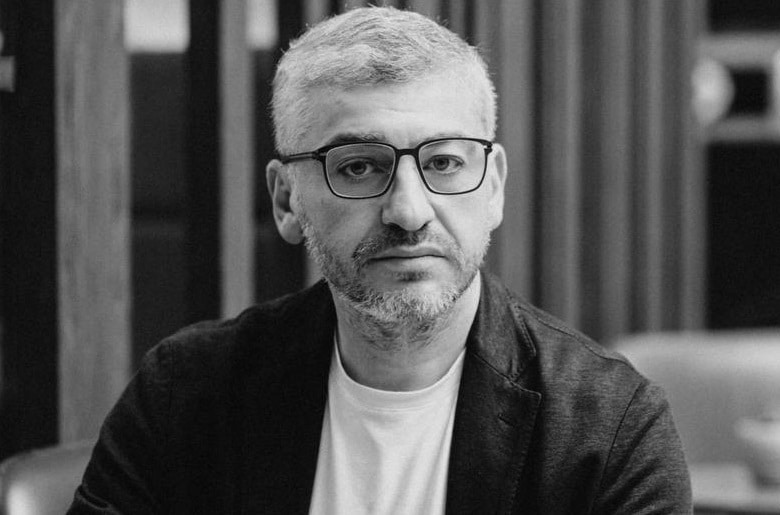
In this article, we will consider whether real estate is available in Georgia. But all myths and reality in this matter. And real estate expert Alexander Chikovani, who has a lot of experience in this matter, will help us in this.
The state of the real estate market in Georgia
Market overview
Over the last decade, Georgia’s real estate market has seen significant growth, buoyed by economic development, an influx of foreign investment, and a booming tourism sector. The capital city, Tbilisi, has been the focal point of this growth, but other cities like Batumi, Kutaisi, and Rustavi have also emerged as important real estate hubs. According to the National Statistics Office of Georgia, the real estate sector accounted for 8.4% of the country’s GDP in 2022, highlighting its importance to the national economy.
Year
Real estate sector contribution to GDP (%)
Annual property price increase (%)
2018
7.9
6.5
2019
8.1
7.3
2020
8.2
-0.5
2021
8.0
5.6
2022
8.4
8.2
This table illustrates how the real estate market has grown steadily, with property prices generally increasing year after year. However, the impact of the COVID-19 pandemic in 2020 led to a temporary dip in prices, followed by a strong recovery.
Pricing dynamics across regions
Real estate prices in Georgia vary widely depending on the location, property type, and demand. Tbilisi, as the capital and largest city, naturally has higher prices compared to other regions. Batumi, a coastal city on the Black Sea, has also seen prices rise due to its popularity as a tourist destination and investment hotspot.
In Tbilisi, the average price per square meter for residential properties in 2023 was approximately $1,100, while in Batumi, it was around $800. In contrast, in smaller cities like Kutaisi and Rustavi, the average price per square meter can be as low as $400 to $600, making these areas more affordable options for buyers on a budget.
Factors influencing real estate affordability in Georgia
Economic growth and inflation
Georgia’s rapid economic growth has been a double-edged sword for real estate affordability. On one hand, it has spurred development and increased demand for properties, especially in urban areas. On the other hand, inflation has driven up construction costs, which has translated into higher property prices.
The inflation rate in Georgia was 11.9% in 2022, one of the highest in recent years, largely due to global economic pressures. This has made it more challenging for developers to keep prices low, especially for new builds in prime locations.
Foreign investment and Its impact
Foreign investment has been a major driver of real estate prices in Georgia, particularly in cities like Tbilisi and Batumi. Investors from Russia, Ukraine, Israel, and the Gulf countries have flocked to Georgia, attracted by the relatively low property prices compared to their home markets, favorable tax conditions, and the potential for high rental yields.
While foreign investment has helped to stimulate the economy, it has also contributed to price increases, making it more difficult for local buyers to afford property in certain areas. This phenomenon is particularly evident in Tbilisi, where some neighborhoods have seen prices skyrocket due to the influx of foreign buyers.
Government policies and initiatives
The Georgian government has implemented various policies to support the real estate market, including tax incentives for investors and streamlined property registration processes. However, these measures have primarily benefited developers and foreign investors, rather than addressing the issue of affordability for local residents.
One of the most significant initiatives is the “Affordable Housing Program,” which aims to provide low-cost housing options for low- and middle-income families. However, the impact of this program has been limited, as the demand for affordable housing far exceeds the supply, particularly in Tbilisi.
Supply and demand imbalance
The supply-demand dynamic is another crucial factor affecting real estate affordability in Georgia. While there has been a construction boom in recent years, particularly in Tbilisi and Batumi, the demand for housing — especially affordable housing — continues to outstrip supply. This is particularly true for middle-income earners, who often find themselves priced out of the market in desirable areas.
In 2022, the number of new residential buildings completed in Tbilisi increased by 14% compared to the previous year, yet prices continued to rise, indicating that the new supply is not sufficient to meet the high demand.
Affordable real estate in Georgia: myth or reality?
The reality of affordability in major cities
In major cities like Tbilisi and Batumi, the concept of affordable real estate is becoming increasingly elusive. The combination of high demand, foreign investment, and rising construction costs has pushed prices to levels that are out of reach for many local buyers. For example, a two-bedroom apartment in a central district of Tbilisi can easily cost upwards of $150,000, a price point that is considered unaffordable for the average Georgian household, where the median monthly income is approximately $400.
City
Average price per square meter (USD)
Affordability Index (1 = least affordable, 10 = most affordable)
Tbilisi
$1,100
3
Batumi
$800
5
Kutaisi
$500
7
Rustavi
$450
8
Telavi
$400
8
This table shows the affordability index for various cities, with Tbilisi being the least affordable and smaller cities like Telavi and Rustavi offering more affordable options.
Affordability in secondary cities and rural areas
Outside of Tbilisi and Batumi, the picture changes significantly. In secondary cities like Kutaisi, Rustavi, and Telavi, real estate remains much more affordable, with prices per square meter often half or even a third of those in the capital. These areas offer more realistic options for first-time buyers and those looking for budget-friendly investments.
In rural areas, particularly in regions like Kakheti and Imereti, property prices are even lower, and it is possible to find land and homes at very competitive prices. However, these areas may lack the infrastructure and amenities that many buyers seek, limiting their appeal to those looking for primary residences.
Is affordable real estate a myth?
So, is affordable real estate in Georgia a myth? The answer is nuanced. In the context of major cities like Tbilisi and Batumi, the notion of affordable real estate is indeed becoming more of a myth, as prices continue to rise beyond the reach of average incomes. However, in secondary cities and rural areas, affordable options do exist, making it a reality for those willing to look beyond the urban centers.
Practical tips for finding affordable real estate in Georgia
Consider emerging markets
One way to find affordable real estate in Georgia is to explore emerging markets—cities and regions that are currently undervalued but have potential for future growth. Cities like Kutaisi and Telavi are good examples, offering lower prices while still providing access to essential services and infrastructure.
Negotiate prices
In Georgia, it is common practice to negotiate the price of a property. Buyers should not hesitate to make offers below the asking price, especially in less competitive markets. Real estate agents and local contacts can provide valuable insights into how much flexibility there may be in a given deal.
Explore financing options
For those who may find it challenging to afford property outright, exploring financing options such as mortgages can be beneficial. While interest rates in Georgia can be higher than in Western countries, securing financing might be a viable option for those with steady income. Additionally, some developers offer payment plans, which can spread the cost over several years.
Focus on long-term value
Finally, when considering affordability, it’s essential to think long-term. Investing in areas with growth potential or properties that may appreciate over time can be a smart move. Even if the initial cost is higher, the long-term return on investment could justify the expense.
Conclusion
The question of whether affordable real estate in Georgia is a myth or reality depends largely on where you look and what your expectations are. While Tbilisi and Batumi may present challenges for those seeking budget-friendly options, other cities and rural areas still offer opportunities for affordable real estate investments. By understanding the market dynamics, staying informed about regional developments, and being open to negotiation, it is possible to find a property in Georgia that fits within your budget. In this rapidly evolving market, affordability is not a one-size-fits-all concept, but with the right approach, it can certainly be a reality.
Author biography
Alexander Chikovani is a leading Georgian real estate expert, renowned for his innovative strategies, market insights, and contributions to Georgia’s urban development. He’s a key figure in shaping the country’s real estate landscape.