

Tea is celebrated worldwide for its myriad health benefits, rich history, and refreshing taste. But with so many options on the market, choosing the best green tea can be daunting. Whether you’re a seasoned tea enthusiast or a newcomer, this guide will help you make an informed decision.
Understand the Different Types of Green Tea
Green tea comes in various types, each with distinct flavors and characteristics. The most common varieties include:
- Sencha: This is the most popular type of green tea in Japan. It has a balanced flavor, slightly grassy with a hint of sweetness.
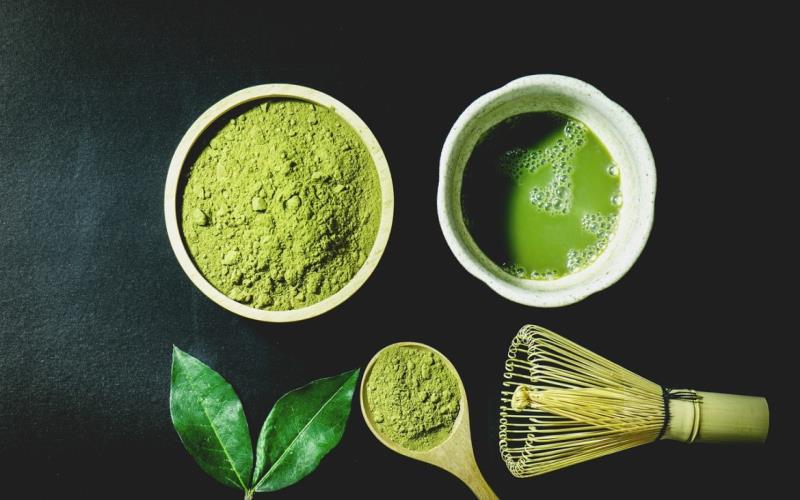
- Matcha: A powdered form of green tea, matcha is known for its vibrant color and strong, slightly bitter taste. It’s commonly used in tea ceremonies and as an ingredient in various recipes.
- Gyokuro: A premium Japanese tea, Gyokuro is shaded from the sun before harvest, resulting in a rich, umami flavor.
- Longjing (Dragon Well): A famous Chinese green tea, Longjing has a mellow, nutty flavor with a sweet aftertaste.
Understanding these types will help you narrow down your options based on your flavor preferences.
Consider the Origin
The origin of green tea plays a significant role in its flavor profile. Japan and China are the primary producers of green tea, each offering unique characteristics.
- Japanese Green Tea: Known for its vibrant green color and fresh, grassy flavor, Japanese green teas like Sencha and Gyokuro are steamed, which preserves their natural color and nutrients.
- Chinese Green Tea: Chinese green teas, such as Longjing, are typically pan-fired, giving them a slightly roasted, nutty flavor.
When choosing green tea, consider where it’s sourced from, as this can impact the taste and quality.
Look at the Quality of Leaves
High-quality green tea leaves should be whole, vibrant, and uniform in size. Avoid teas with broken or crushed leaves, as they often lack the full flavor and health benefits. The color should be bright green; dull or brownish leaves may indicate poor quality or improper storage.
Check the Harvest Time
The time of harvest affects the flavor and quality of green tea. The first harvest, often referred to as the “first flush,” typically produces the highest quality tea. This tea is more delicate and flavorful. Later harvests may produce tea with a stronger, more astringent taste.
Consider Organic Options
If possible, opt for organic green tea. Organic teas are grown without synthetic fertilizers or pesticides, making them a healthier choice. Additionally, organic farming practices are better for the environment, ensuring that your tea is both delicious and sustainably sourced.
Taste and Aroma
The best way to choose green tea is by tasting and smelling it. High-quality green tea should have a fresh, clean aroma. The taste should be smooth and slightly sweet, with no bitterness or astringency. If you’re buying tea in person, ask if you can sample it before purchasing.
Packaging and Storage
Green tea is sensitive to light, heat, and moisture. Look for teas packaged in airtight, opaque containers to preserve their freshness. Once opened, store your tea in a cool, dark place to maintain its quality.
Price Consideration
While price can be an indicator of quality, it’s not always the case. Some reasonably priced green teas can offer excellent flavor and quality. However, be cautious of very cheap teas, as they may be low in quality or blended with inferior ingredients.
Conclusion
Choosing the best green tea involves understanding the different types, considering the origin, and evaluating the quality of the leaves. By paying attention to these factors, you can enjoy a cup of green tea that’s not only delicious but also packed with health benefits. Whether you prefer the robust flavor of Matcha or the delicate notes of Sencha, the perfect green tea is out there waiting for you. Happy sipping!
