

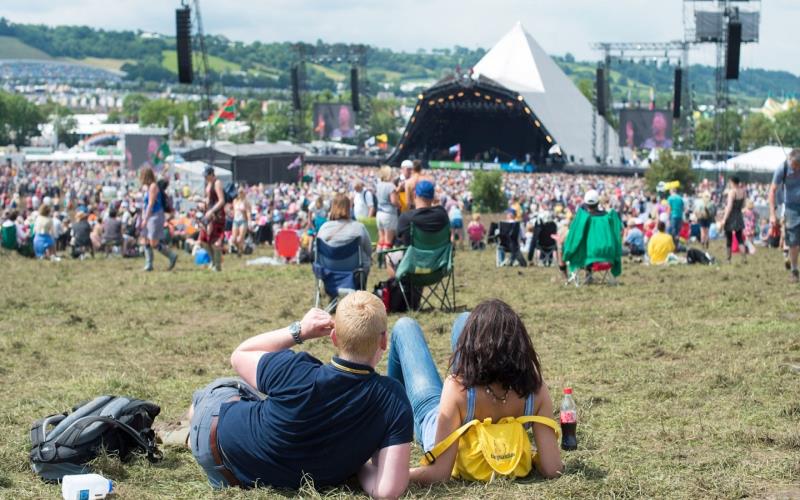
Glastonbury Festival, or “Glasto,” is a cultural phenomenon as well as a music festival. This iconic festival in Pilton, Somerset, on Worthy Farm has become a rite of passage for music enthusiasts and festival goers worldwide. Glastonbury, the world’s largest greenfield event, began as a tiny music festival over 50 years ago. Its rich history, distinctive ambiance, and must-see sites make the Glastonbury Festival an essential event, as our complete guide explains.
The History of Glastonbury Festival
Legend Creation
A dairy farmer named Michael Eavis developed Glastonbury Festival after the 1970 Isle of Wight Festival’s spirit. Pilton Pop, Blues & Folk Festival, the first Glastonbury Festival, was held a day after Jimi Hendrix’s death in September 1970. Nearly 1,500 people paid £1 for admission, which included farm milk. T. Rex replaced The Kinks as headliner.
Transformation and Growth
In the 1970s and 80s, Glastonbury expanded in size and reputation. The festival emphasized counterculture, including spirituality, environmentalism, and social activism. The festival expanded to many stages, different musical genres, and many arts and performing areas by the mid-1980s.
1990s and Beyond
Glastonbury grew and professionalized throughout the 1990s. The festival’s infrastructure improved, attracting more artists and audiences. Famous musicians like RadiohHistoric Shows Oasis performed on the Pyramid Stage, the festival’s main stage. With waste reduction and green practices measures, the festival’s environmental sustainability increased.
Unique Glastonbury Atmosphere
A Tent City
The sweeping meadows of Worthy Farm become a tent metropolis with nearly 200,000 attendees at Glastonbury. Festival-goers feel a sense of connection and shared joy. Each themed area of the festival has its own mood and activities.
Stages and Themes
- The Pyramid Stage, the festival’s main stage, hosts top musicians. It has hosted historic Paul McCartney, Beyoncé, and Rolling Stones performances.
- The Other Stage: A secondary stage with established and new artists.
- The Park Stage: Intimate and with surprise guests.
- The Glade Area: Electronic music lovers’ paradise with great DJs and amazing light shows.
- Shangri-La: Alternative nightlife with weird art, themed bars, and late-night concerts.
Art and Performance
Glastonbury celebrates various disciplines of the arts, not simply music. The event includes theater, circus, cabaret, and spoken word. The Kidzfield has activities and entertainment for kids at the festival. With workshops, healing, and organic food booths, the Green Fields emphasize sustainability and spirituality.
Must-See Glastonbury Attractions
Stone Circle
The King’s Meadow’s Stone Circle is mystical and spiritual, inspired by Stonehenge. Meditation, yoga, and sunrises are popular here. It is a hallowed space and a highlight of Glastonbury for many festivalgoers.
Arcadia
A gigantic fire-breathing spider construction hosts electronic music performances in Arcadia, a stunning experience. Arcadia is a must-see for high-energy, visually amazing pyrotechnics, light shows, and aerial performers.
Fields of Healing
The Healing Fields are a tranquil escape from festival hubbub. Attend yoga, meditation, and holistic therapy classes here. The space promotes relaxation and wellbeing, offering a retreat.
Greenpeace Field
Greenpeace Field emphasizes the festival’s environmental advocacy. It offers sustainability and climate change workshops, displays, and interactive installations. It encourages visitors to act for a greener future.
Great Performances and Moments
Historic Performances
Glastonbury has featured several famous concerts that shaped music. David Bowie’s 2000 comeback, Radiohead’s 1997 set, and Beyoncé’s 2011 headline performance all notable. These shows have captivated fans and cemented Glastonbury’s status as a top music festival.
Special guests and surprises
Glastonbury is known for surprises. Throughout the festival, many unannounced performances and special guests have appeared. Surprise sets typically make festival news, bringing excitement and unpredictability.
Cultural and Political Statements
Glastonbury has hosted cultural and political events. Environmental protection and social justice are addressed by artists and speakers at the event. The festival’s varied audience embraces activism and community engagement.
Get ready for Glastonbury
Tickets, Planning
Popular Glastonbury tickets sell out quickly. Pre-registration and luck are needed to buy tickets. Once obtained, festival planning includes travel, lodging, and packing for a multi-day outdoor event.
Camping, lodging
Most festivalgoers camp on-site, from tents to glamping. A strong tent, sleeping bag, and camping goods are essential. For extra comfort, surrounding hotels and B&Bs provide alternatives.
What to Bring
The festival’s varied weather and comfort and practicality must be considered when packing for Glastonbury. Essentials include:
- The festival can get muddy, so wear waterproof boots.
- Dress for rain and shine with layers, waterproofs, and sun protection.
- A reusable water bottle, portable phone charger, and biodegradable toiletries are festival essentials.
- Camping Gear: A sturdy tent, cozy sleeping bag, and camping equipment make a pleasurable stay.
The Glastonbury Effect
Economic and Cultural Influence
Glastonbury has a major economic influence on the local economy and music industry. It supports many event management, hotel, and tourism employment and generates significant money for the community. The festival helps artists advance their careers and promote culture.
Initiatives for Environment
Glastonbury’s environmental measures demonstrate its sustainability. The festival encourages recycling, trash reduction, and renewable energy. The festival’s eco-friendly camping and single-use plastic ban show its commitment to the environment.
