

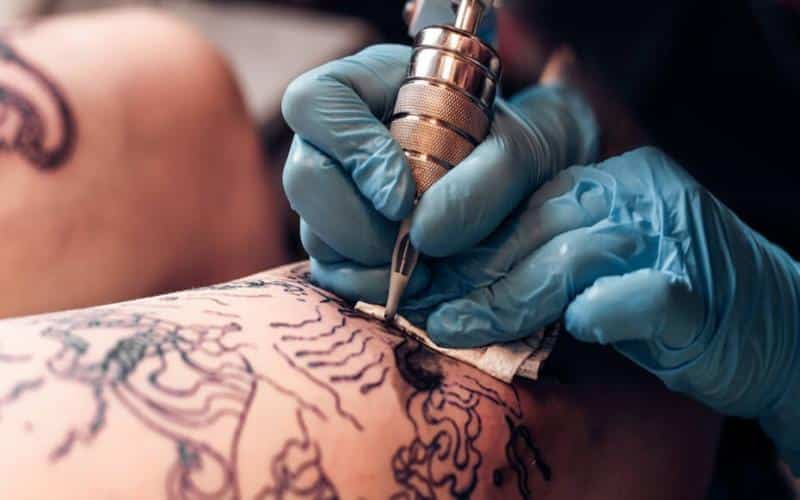
In the dynamic world of tattoo artistry, where every line and shade contributes to a masterpiece, the tools of the trade play a crucial role. One such tool, often overlooked but essential, is the tattoo armrest. As tattooing evolves, so too does the design and functionality of these supports, which are pivotal in ensuring both the artist’s precision and the client’s comfort. This article delves into the innovative developments in these devices, highlighting their significance in modern tattoo studios.
The Evolution of Artist Supports
Traditionally, supports used by tattooists were simple, utilitarian devices, providing a basic platform for clients to rest their limbs. However, as the tattoo industry has grown, so have the demands for better equipment. Today’s supports are not only about providing stability but also about enhancing the overall tattooing experience.
Ergonomic Design for Artists and Clients
Ergonomics is at the forefront of modern support design. Tattoo artists spend hours in meticulous work, often in repetitive motions and static positions that can lead to long-term health issues. Ergonomically designed supports help mitigate these risks by allowing for adjustable heights and angles, ensuring that the artist can maintain a comfortable posture. This reduces the strain on their back, neck, and shoulders, promoting better health and longevity in their careers.
For clients, comfort is equally important. Long tattoo sessions can be physically demanding, and an uncomfortable position can lead to unnecessary movement, potentially compromising the quality of the tattoo. Modern supports offer cushioned surfaces and adjustable positions, ensuring that clients can stay still and relaxed, contributing to better tattoo outcomes.
Materials and Hygiene
The materials used in the construction of these essential devices have also seen significant improvements. High-quality, durable materials such as stainless steel and medical-grade foam are now standard. These materials are not only more comfortable but also easier to clean and disinfect, addressing the critical aspect of hygiene in tattooing. Some supports even come with disposable covers to further enhance cleanliness and prevent cross-contamination.
Technological Innovations
Innovation in artist supports isn’t limited to materials and ergonomics. Some of the latest models incorporate technology to further aid tattoo artists. For example, supports with built-in LED lighting provide better visibility, especially in dimly lit studios. There are also models with integrated USB ports and charging stations, allowing artists to keep their electronic devices charged and within reach, which is particularly useful for those who use digital references during tattooing.
Customization and Personalization
Customization is another growing trend. Artists can now choose from a variety of designs, colors, and finishes to match their studio’s aesthetic. Personalized supports not only add a unique touch to the workspace but also reflect the artist’s style and brand. Some manufacturers even offer bespoke options, allowing artists to create supports tailored to their specific needs and preferences.
The Future of Tattooing Supports
The future of these devices looks promising, with continuous advancements aimed at enhancing both functionality and aesthetics. As the tattoo industry embraces innovation, we can expect to see even more sophisticated designs that cater to the evolving needs of artists and clients alike. Features such as smart supports with adjustable memory settings, biometric sensors for monitoring client comfort, and eco-friendly materials are just a few possibilities on the horizon.
Tattooing supports may seem like a small component of the tattooing process, but their impact is significant. By combining ergonomic design, advanced materials, technological innovations, and customization, modern supports play a crucial role in improving the tattooing experience. As the industry continues to evolve, these essential tools will undoubtedly become even more refined, ensuring that both artists and clients can focus on what truly matters: the art of tattooing.
