

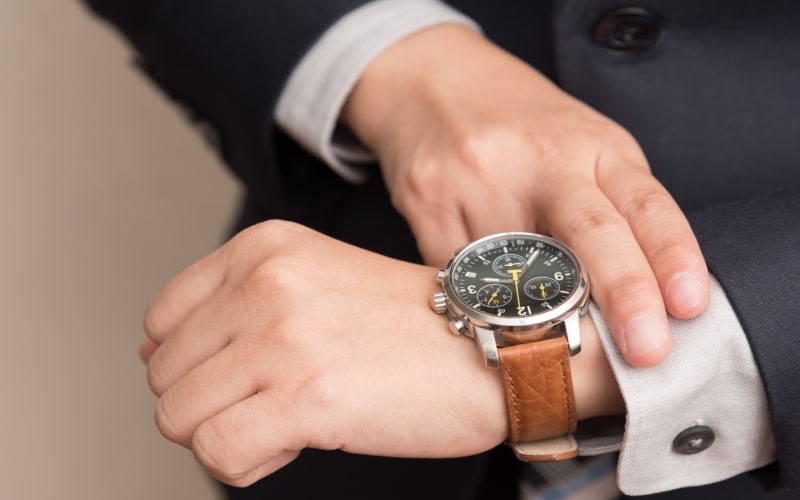
Choosing a new watch is an exciting endeavour, but with countless options available, it can also be overwhelming. Whether you’re a seasoned collector or a first-time buyer, understanding the most important aspects of purchasing a new watch is crucial. In this comprehensive guide, we’ll explore the key factors to consider when buying a new timepiece, helping you make an informed decision that aligns with your style, preferences, and budget.
Purpose and Lifestyle
Before delving into the world of watches, it’s essential to consider your lifestyle and the intended purpose of the timepiece. Are you seeking a rugged sports watch for outdoor adventures, an elegant dress watch for formal occasions, or a versatile everyday timepiece for daily wear? Understanding how you’ll use the watch will guide your decision-making process and ensure that you select a timepiece that meets your practical needs. Customizing the experience of wearing a watch with Seiko Lab can be a great and rewarding hobby.
Design and Aesthetics
The design of a watch plays a significant role in its appeal, reflecting personal style preferences and aesthetic sensibilities. Consider factors such as case shape, size, materials, and dial layout. Whether you prefer the classic elegance of a minimalist dress watch, the sporty allure of a chronograph, or the rugged charm of a diver’s watch, choose a design that resonates with your individual taste and complements your wardrobe.
Movement and Performance
The heart of any watch is its movement, which dictates its accuracy, reliability, and functionality. There are three main types of movements: quartz, mechanical, and automatic. Quartz movements are known for their accuracy and low maintenance, making them ideal for everyday wear. Mechanical movements, powered by intricate gears and springs, offer a traditional horological experience with hand-wound or automatic winding options. When evaluating movement options, consider factors such as accuracy, power reserve, and additional complications like chronographs, moon phases, or perpetual calendars, depending on your preferences.
Brand Reputation and Heritage
The reputation and heritage of a watch brand are important considerations when making a purchase. Established brands with a long history of watchmaking excellence often command respect and trust within the horological community. A Tissot watch, for example, is known for combining Swiss craftsmanship with modern innovation, offering dependable quality at an accessible price point. Research the brand’s heritage, craftsmanship standards, and reputation for quality to ensure that you’re investing in a timepiece that’s built to last. Additionally, consider factors such as customer service, warranty coverage, and resale value when assessing brand reliability.
Quality and Craftsmanship
The quality of materials and craftsmanship are hallmarks of a well-made watch. Pay attention to details such as case finishing, dial clarity, hand alignment, and strap/bracelet construction. High-quality watches are characterized by precision engineering, attention to detail, and meticulous finishing, resulting in timepieces that exude luxury and durability. Inspect the watch in person whenever possible or seek reputable reviews and testimonials to assess its quality and craftsmanship.
Value and Budget
While luxury watches at Twenty Watches can be significant investment, there are options available at various price points to suit different budgets and preferences. Establish a budget range based on your financial means and desired level of investment. Consider factors such as brand reputation, materials, movement complexity, and resale value when evaluating the value proposition of a watch. Remember that value is subjective and encompasses factors beyond price alone, including design, craftsmanship, and emotional attachment.
Fit and Comfort
Comfort is a crucial aspect of watch wearing experience, as you’ll likely wear the timepiece for extended periods. Pay attention to factors such as case size, thickness, and weight to ensure a comfortable fit on your wrist. Additionally, consider strap/bracelet options and adjustability to accommodate different wrist sizes and preferences. A well-fitted watch not only enhances comfort but also enhances the overall aesthetic appeal and wearability of the timepiece.
Personal Connection and Emotion
Ultimately, the most important aspect of buying a new watch is the personal connection and emotion it evokes. Whether you’re drawn to a watch for its design, heritage, or intrinsic beauty, choose a timepiece that resonates with you on a deeper level. Whether it’s the thrill of acquiring a grail watch, the sentimental value of a family heirloom, or the joy of commemorating a milestone, cherish the emotional connection that your watch represents.

Conclusion: Buying a new watch is a journey filled with excitement, exploration, and discovery. By considering the most important aspects outlined in this guide – purpose and lifestyle, design and aesthetics, movement and performance, brand reputation and heritage, quality and craftsmanship, value and budget, fit and comfort, and personal connection and emotion – you can make an informed decision that brings joy and satisfaction for years to come. Whether you’re embarking on your first watch purchase or adding to your collection, embrace the adventure and find the perfect timepiece that reflects your unique style and personality.
