

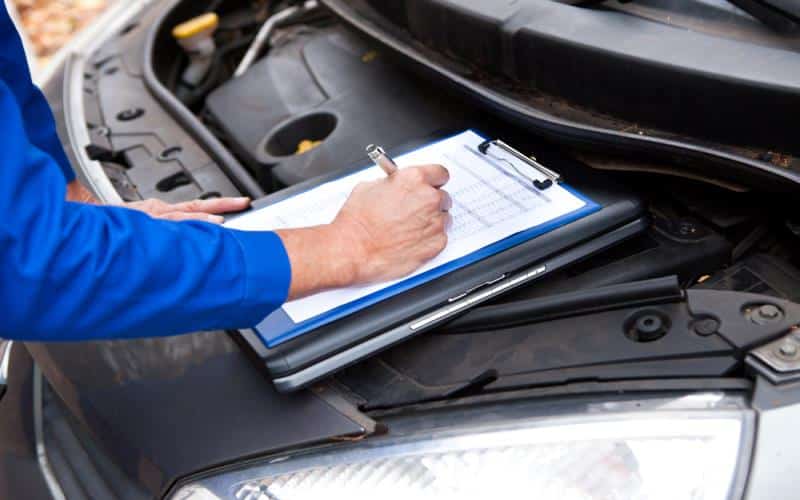
People always tell us not to buy a write-off. However, no matter what the saying might have you think, a write-off car isn’t always a bad investment. In line with this, we’re having a glance at what written off vehicles are and if they’re worth purchasing; you might feel surprised at the answer. For more information on car towing be sure to head over to Sheen Group.
Find Your Perfect New Car with a Car History Check
Buying a written off car can be worth it, depending on what you need. However, it’s critical to check that your choice of vehicle is what you expect; getting the wrong category of write-off could leave you in a difficult position with a car that’s unsuitable for you. So, why take a chance? Always start by running a car history check, also known as an HPI check, to verify the type of write-off a vehicle might be.
Please note and HPI Check are trademarks of HPI Limited, Full Car Checks is not affiliated with HPI or HPI check.
What is a Write-Off?
We often use the term “write-off” negatively to mean something that has no hope of repair. However, the reality of written off vehicles is much more complex than this, which is worth keeping in mind.
Write-off cars are vehicles that have been involved in a collision, accident, or otherwise have damage incurred beyond their value. In other words, a written off car will simply cost too much to feasibly repair (or be impossible to repair). However, this doesn’t necessarily mean that the vehicle isn’t still useful in and of itself.
Is it Worth Buying a Write-Off Vehicle?
There are quite a few scenarios in which it’s worth buying a write-off vehicle. So, just because a car is listed as written off, don’t immediately rule it out. Who knows? You might just have found an excellent bargain.
As part of this decision, it’s important to consider the different types of write-offs and what these actually mean. There are four main types of write-offs:
- N: A non-structural write-off which simply means that the damage sustained, albeit cosmetic, is not economically worth repairing. This is usually the case for insurance claims, when the company may write the car off rather than paying repairs.
- S: Structural write-offs occur when a car has sustained significant damage that renders it non-roadworthy. However, these vehicles can become roadworthy again if repaired to a high standard.
- B: Category B write-offs are not roadworthy themselves; however, you can use them for parts and spares. This makes them excellent for repairing another damaged vehicle.
- A: The most severe type of write-off, Category A cars are unfortunately only suitable for scrapping. This means they cannot be roadworthy, even if repaired.
Given the aforementioned points, it’s clear to see that Category N and S write-offs can still be roadworthy. Moreover, while you can’t drive them directly, you can keep a Category B for parts, making them good investments if you’re trying to do up another vehicle of the same type.
As such, given the significant cost savings involved with write-off cars, you could save a lot of money. However, always remember that repair bills will often be very high, so you may need to factor this in carefully.
