

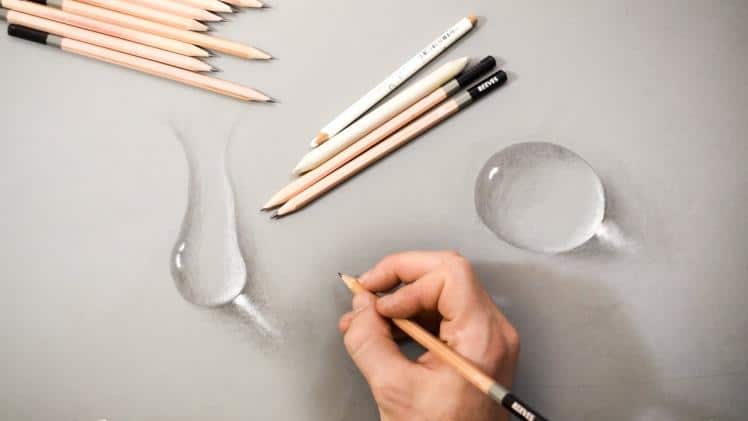
Drawing is a timeless skill that allows for personal expression, creativity, and visual storytelling. Whether you’re an aspiring artist or a seasoned illustrator, there’s always room for improvement. With the tools and resources available in 2024, enhancing your drawing skills has never been more accessible or exciting. Here’s a comprehensive guide to help you elevate your drawing abilities this year.
1. Embrace Digital Tools
Advanced Software
In 2024, digital drawing tools have become incredibly sophisticated. Software like Adobe Photoshop, Corel Painter, Procreate, and Clip Studio Paint offer a range of features that can enhance your drawing process. These programs provide extensive brush libraries, layering options, and other tools that mimic traditional drawing techniques while offering the flexibility of digital media.
Hardware Upgrades
Investing in a high-quality drawing tablet can make a significant difference in your digital drawing experience. Brands like Wacom, Huion, and XP-Pen offer tablets with high pressure sensitivity, tilt recognition, and large drawing areas. Additionally, standalone tablets like the iPad Pro paired with the Apple Pencil provide portability and a seamless drawing experience.
2. Practice Consistently
Daily Drawing
Consistency is key to improving any skill, and drawing is no exception. Set aside time each day to draw, even if it’s just for 15-30 minutes. This regular practice helps develop muscle memory, improves hand-eye coordination, and keeps your skills sharp.
Sketchbooks
Maintain a sketchbook to document your progress and experiment with different styles and techniques. A sketchbook allows for free expression without the pressure of creating a finished piece. Review your old sketches periodically to track your improvement and identify areas for growth.
3. Learn from Others
Online Courses and Tutorials
There are countless online platforms offering courses and tutorials to enhance your drawing skills. Websites like Skillshare, Udemy, and Coursera provide structured courses on various aspects of drawing, from anatomy and perspective to digital illustration and character design.
YouTube Channels
YouTube remains a valuable resource for learning new techniques. Channels like Proko, Sycra, and Draw with Jazza offer in-depth tutorials, critiques, and tips from professional artists. Following these channels can provide continuous learning and inspiration.
4. Study the Fundamentals
Basic Shapes and Forms
Mastering the basics is crucial for any artist. Start by practicing simple shapes like circles, squares, and triangles. Understanding how to construct objects from these basic forms will help you draw more complex subjects with accuracy and ease.
Perspective and Proportion
Study perspective to add depth and dimension to your drawings. Learning one-point, two-point, and three-point perspective can significantly improve your ability to draw environments and objects in space. Similarly, understanding proportion is essential for drawing figures and objects realistically.
5. Focus on Anatomy
Human Anatomy
If you enjoy drawing people, a solid grasp of human anatomy is essential. Study the skeletal and muscular structures to understand how the body moves and how different poses affect the appearance of muscles and bones. Resources like anatomy books, online references, and life drawing classes can be immensely helpful.
Animal Anatomy
For those interested in drawing animals, studying animal anatomy is equally important. Learn the bone structures and muscle groups of different species to accurately depict their forms and movements. When drawing a wolf, understanding its unique skeletal and muscular features can help you capture its characteristic appearance and behavior with precision.
6. Experiment with Different Styles and Mediums
Variety of Styles
Experimenting with various styles can broaden your artistic horizons and help you find your unique voice. Try drawing in different genres, such as realism, abstract, cartoon, or manga. Each style offers different challenges and learning opportunities.
Different Mediums
Don’t limit yourself to just one medium. Experiment with pencils, charcoal, ink, watercolors, acrylics, and digital tools. Each medium has its own set of techniques and can influence the final look of your artwork. Trying new mediums can also reignite your passion for drawing and inspire creative breakthroughs.
7. Seek Feedback and Critique
Peer Reviews
Sharing your work with peers and other artists can provide valuable feedback. Join online communities like DeviantArt, ArtStation, or Reddit’s r/ArtCrit to connect with other artists and receive constructive critiques. Listening to others’ perspectives can highlight areas for improvement that you might have overlooked.
Mentorship
Consider finding a mentor or joining a drawing group where you can receive guidance from more experienced artists. A mentor can provide personalized advice, help you navigate challenges, and offer encouragement.
8. Use Reference Material
Photo References
Using reference photos can improve the accuracy and realism of your drawings. Websites like Unsplash, Pexels, and Pinterest offer a vast collection of high-quality images that you can use for reference. When using references, pay attention to details such as lighting, texture, and anatomy.
Live Models
If possible, draw from live models. Life drawing sessions, where you sketch a live model, can dramatically improve your understanding of human anatomy, proportion, and posture. Many art schools and community centers offer life drawing classes.
9. Set Goals and Challenges
Art Challenges
Participate in art challenges to push your boundaries and stay motivated. Challenges like Inktober, Drawcember, or the 100 Day Project encourage you to create regularly and often come with prompts that can inspire new ideas.
Personal Goals
Set specific, achievable goals for your drawing practice. Whether it’s completing a certain number of sketches per week, mastering a particular technique, or creating a portfolio piece, having clear objectives can keep you focused and motivated.
10. Reflect and Adapt
Review Your Progress
Regularly review your work to assess your progress. Reflecting on your drawings helps identify patterns, strengths, and areas for improvement. Keep track of your growth over time, and celebrate your successes, no matter how small.
Adapt and Evolve
Be open to adapting your techniques and trying new approaches. The art world is constantly evolving, and staying flexible allows you to grow and improve continuously. Embrace new tools, methods, and trends to keep your work fresh and innovative.
Conclusion
Improving your drawing skills in 2024 is a journey that involves dedication, practice, and a willingness to learn. By embracing digital tools, practicing consistently, studying the fundamentals, and seeking feedback, you can make significant strides in your artistic abilities. Remember, every artist’s journey is unique, so be patient with yourself and enjoy the process of learning and creating. With the right approach, you can elevate your drawing skills and achieve your artistic goals this year.
